How to Get Married In a Tennessee State Park: Permits,Locations, Seasons, and a Complete Wedding Guide
If you’re dreaming of a wedding day surrounded by waterfalls, mountains, forest trails, or quiet lakeside overlooks, Tennessee State Parks are one of the most beautiful (and affordable) places to get married. With 56 parks across the state — from the Smokies to the Cumberland Plateau to Middle Tennessee — you can create a wedding day that feels intentional, grounded, and deeply connected to nature.
As a Tennessee wedding photographer, I’ve photographed weddings and elopements all over the state, and this guide breaks down everything you need to know before planning your Tennessee State Park wedding — including permits, seasons, guest counts, locations, and how to legally get married in Tennessee.
Do You Need a Permit to Get Married in a Tennessee State Park?
Sometimes — depending on the park and what your wedding day looks like.
Here’s the breakdown:
You will likely need a Special Use Permit if:
You’re bringing decor, chairs, arches, or floral installs
You’re using an overlook, trail, or non-reservable space for the ceremony
You have a group larger than a typical picnic or day-use gathering
You are hosting a reception inside the park
You want amplified music or alcohol
You’re using commercial vendors (photo/video/catering) in certain locations
A park ranger or office manager will review your date, guest count, and ceremony location and let you know exactly which permits or reservations apply.
You may NOT need a permit if:
You’re having a tiny elopement (2–10 people)
You’re not setting anything up (no decor, no chairs, no arches)
You’re using an area already designated as a public day-use space
Still: always call the park office.
Every Tennessee State Park has its own rules, and getting written confirmation protects you from last-minute surprises.
Step-by-Step: How to Reserve a Ceremony Space in a Tennessee State Park
1. Use the official reservation portal, then contact the park for weddings/events
Tennessee State Parks handle reservations via a central booking system.
But weddings or “special events” often trigger additional requirements — you usually need to call or email the specific park office after reserving.
Example: at Cove Lake State Park, their regular picnic-shelter reservation page says explicitly: “if booking for a wedding or large event, additional requirements and permits may be needed.”
What you should do:
Pick 1–2 parks you like, go to the reservation site → check if your preferred date + shelter/pavilion/space is available.
Immediately call or email the park — tell them “we want to have a wedding/ceremony here,” give them guest count, desired setup (chairs, arch, etc.), and request their guidance on what you need.
2. Fill out a Special Use Permit if required
For weddings or events outside standard-day use, many parks require a Special Use Permit.
This permit applies especially if you plan to use a scenic overlook, trail, lakeside shore, or area not already a defined “wedding venue.”
You’ll need to submit the application (via the state’s permit system) — include info like couple’s names, date/time, number of guests, location inside the park, vendor info (if any), and what you plan to set up (chairs, decor, music, etc.).
What you should do:
Download or request the Special Use Permit form from Tennessee State Parks.
Fill it out completely and honestly. If you plan to use chairs, signage, maybe music, or a photographer — declare it.
Submit it as early as possible (some parks get booked up). After approval, you’ll get confirmation.
3. Confirm logistics: capacity, parking, rules, facilities & permit restrictions
When talking with park staff, ask:
What is the guest capacity for the pavilion / overlook / shelter / area you picked. Some spots may have tight limits or restricted parking.
Are facilities available — bathrooms, parking, power (if you need lights or music), handicap access, restrooms, etc.
What are the rules for decor, alcohol, music, noise, cleanup, trash removal. Some parks prohibit confetti/flower-petal tosses, open flames, alcohol without permit, amplified music, or require sound-curfews.
What is the backup plan if weather turns — is there an indoor shelter or alternative spot? Or would you need to reschedule?
Whether you need to pay additional fees for vendors (photographer, music, catering) or for alcohol.
This avoids surprises on the day of the wedding.
4. Book lodging & coordinate with your vendors (if applicable)
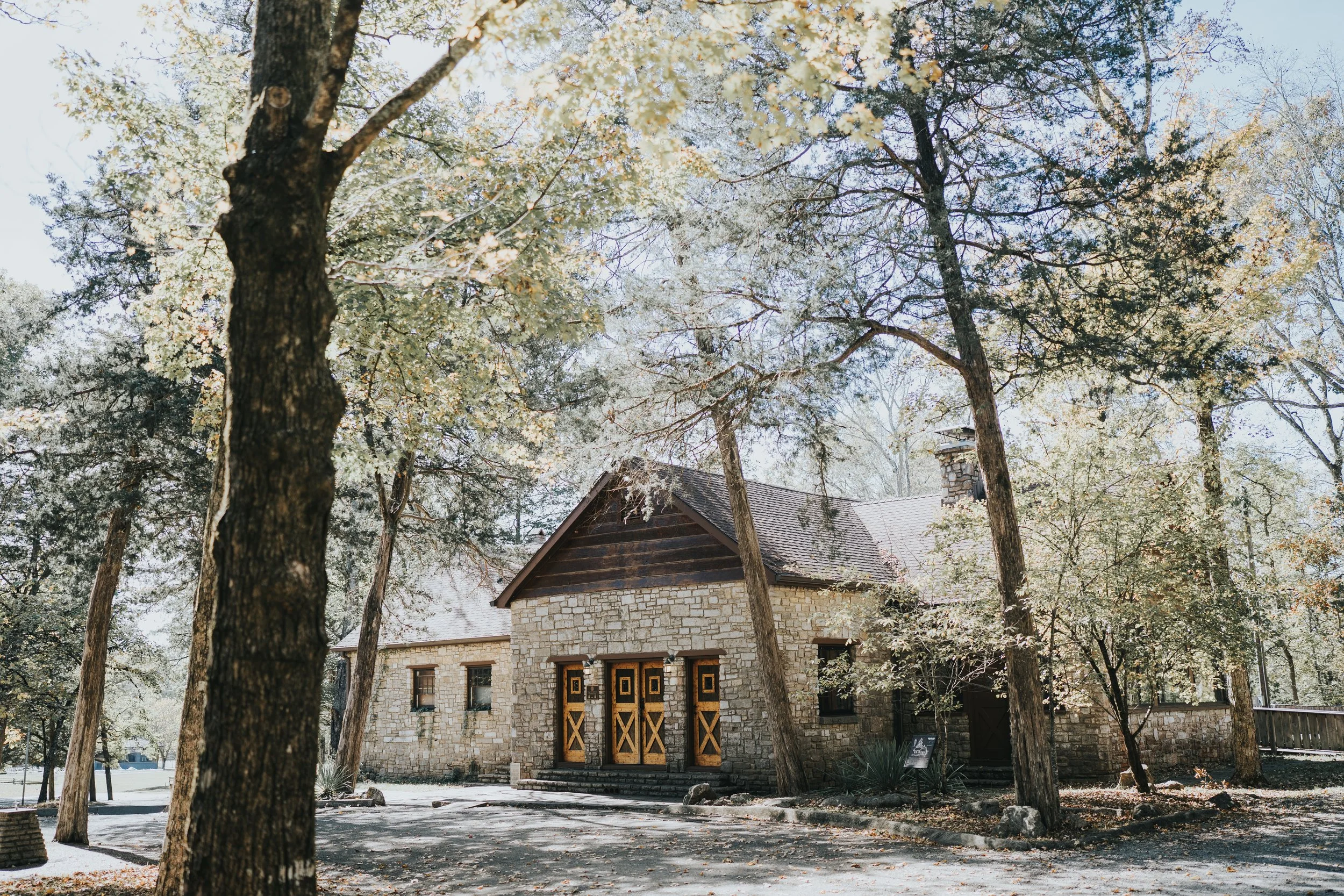
Many state parks have cabins, lodges, or campgrounds — which is great if you or guests want to stay overnight. For example, Norris Dam State Park offers cabins and a venue called “Tea Room”, with indoor/outdoor ceremony & reception options.
If you have a coordinator, florist, catering, or other vendors — make sure they know exactly where to meet, where to park, and what the park’s logistics are (parking, walk-in spots, carrying gear, etc.).
5. Finalize and get confirmations in writing
Make sure you receive:
The reservation confirmation (for pavilion/venue or permit)
The approved Special Use Permit (if required)
Any rules or restrictions the park imposes (noise, cleanup, alcohol, times)
If applicable: a receipt showing lodging or cabin reservations
Before you send invites — double-check that everything is locked in.
What to Keep in Mind / Common Pitfalls
Not all “beautiful parks” = available for weddings. Some parks or overlooks are for day-use only, and may not allow events or gatherings. Always ask.
Permit timeline: don’t wait until last minute. Parks need time to review special use permit requests.
Guest limits + parking: many state parks have limited parking or small spaces; large guest lists may not be realistic.
Restrictions on decor, alcohol, sound, clean-up, and timing. Always confirm the park’s rules — and follow them.
Weather & backup plan. Because you’re outdoors, always have a fallback.
As Your Photographer — Why This Matters
Since I know how often park-wedding rules trip couples up, I:
Help you pick a park + spot that fits your vision and logistics
Assist in filling out the permit — making sure you check all the right boxes (guest count, vendor list, setup plan)
Build a relaxed, realistic timeline (accounting for hiking/walking, travel between locations, lighting, etc.)
Prepare a backup plan if weather or park rules interfere
Help manage vendor logistics, guest comfort, and chaos so you can actually enjoy your day.
The Best Tennessee State Parks for Weddings & Elopements
-
Perfect for lakeside vows with evening light on the water.
Best Seasons: Late spring, early fall.
-
A mix of rustic indoor spaces and stunning outdoor amphitheater options.
Best Seasons: Summer, early fall.
Norris Dam State Park
-
Iconic waterfalls and overlooks make for dreamy ceremony backdrops.
Best Seasons: Spring & fall. Waterfalls high and foliage vivid.
-
Classic hill and lake views with lodge and cabin options.
Best Seasons: Spring and fall for greenery and comfortable temps.
-
Wide open fields, marina access, and lakeside ceremony spots.
Best Seasons: Late spring, early fall.
-
Hidden gem forest feel with rustic Assembly Hall and glade views.
Best Seasons: Late spring, early fall for wildflower blooms and greenery.
-
Lodge and outdoor spaces close to Nashville with indoor and outdoor ceremony flexibility.
Best Seasons: Spring & fall for mild temps and color.
-
Quiet woodlands and lakeside ceremony spots.
Best Seasons: Spring to fall for lush forest and sunset lakes.
-
Open fields, scenic overlooks, and even a huge meadow called “The Heart”
Best Seasons: Spring & autumn to avoid hottest mid summer days.
-
Peaceful lakes, forest edges, and flexible open spaces for ceremonies.
Best Seasons: Spring to fall.
each Season for a Tennessee State Park Wedding
-
Fresh blossoms, mild temps, green forests and lake sparkles. A sweet window for outdoor ceremonies.
-
Lush landscapes and long golden hours. Great for lakeside and forest weddings, though midday heat can be high.
-
Arguable the park for park weddings. Crisp air, fiery foliage that elevates photos for sure.
-
Quiter and more intimate, but weather can be cold and unpredictable. Best suited for indoor lodge weddings or elopements.
Leave No Trace Tips
Leaving No Trace during a Tennessee State Park wedding isn’t just about being polite — it’s about protecting the very places you came to celebrate in. Parks are home to fragile ecosystems, native plants, wildlife, and natural spaces that can take years to recover from a single careless moment. Confetti, seed tosses, broken branches, trampled vegetation, and left-behind decor might seem small, but they disrupt the land, harm wildlife, and create long-term damage for future visitors.
Practicing Leave No Trace ensures that your wedding day doesn’t negatively impact the environment — and keeps these parks beautiful, healthy, and open for other couples who want to experience them exactly as you did. It’s about honoring the land that’s hosting your day and treating it with the same care you’re putting into every other part of your wedding.
No confetti, glitter, rice, or seed tosses
Use biodegradable or reusable floral materials
Stay on trails where required
Pack out everything you bring in
Protect fragile ecosystems
Final Thoughts
Getting married in a Tennessee State Park is one of the most beautiful ways to celebrate — but it does come with unique rules and logistics. That’s where having a photographer who knows the parks, the permits, the light, and the flow of the day makes things SO much easier.
If you’re planning a wedding or elopement in a Tennessee State Park in 2025 or 2026, I’d love to help you create a day that feels comfortable, natural, and true to who you are.
Inquire here to start planning your Tennessee State Park wedding with someone who knows the parks and will guide you every step of the way.